vitiligo in cats and dogs
Everything You Need to Know PETMD. As the melanocytes die off the skin in the affected area turns white or pink.

Cats With The Rare Feline Depigmentation Known As Vitiligo Cat Species Cats Feline
In some dogs even the retina the inside of the eyeball will be discolored.

. The disease is uncommon in the dog and rare in the cat. Vitiligo is an uncommon skin condition that causes skin to lose its natural pigment a process called depigmentation. Vitiligo is a rare skin and fur condition that affects melanocytes.
The fur covering the affected skin also turns white. The precise mechanism isnt completely understood but we believe most of the time it results from the immune system targeting and destroying them. Melanocytes possess the.
The appearance is like nothing you have seen before. In horses clinical studies were. Vitiligo is not confined to black cats but is harder to spot in lighter colour cats.
As vitiligo is a condition which causes patches of skin to lose pigmentation a loss of the pigment melanin this is shown in the fur coat. Although any animal or breed can be affected vitiligo has an increased incidence in Rottweilers Doberman pinschers Belgian Tervurens and Siamese cats. Vitiligo and the uveodermatological syndrome.
Immunodeficiency is believed to be a major factor in the development of vitiligo in dogs. Where pertinent we compare the animal diseases to their human homologue. Other less common symptoms of vitiligo may include.
Vitiligo is the loss of pigment from the skin or hair of your dog causing patches of fading or white color. Vitiligo is not the same thing as fur turning gray naturally and was first noted in dogs in 1971. White blotches around the skin and fur of otherwise colored dogs could indicate vitiligo in dogs too.
Vitiligo will usually begin around the face and nose and spread to other areas such as the feet lips footpads nails and neck. What you get is a strange fragmented black and white coat if the cat is a black cat. Vitiligo is a hereditary disorder of skin andor hair pigment loss and is caused by immune-mediated destruction of the pigment producing cells in the skin.
In dogs and cats vitiligo starts at a young age and progressively destroys melanocytes. Vitiligo in dogs is mainly a cosmetic condition. Vitiligo in cats and dogs is nothing to fear.
As in humans melanocytes are cells in the skin that are responsible for the colouring. The skin contains cells called melanocytes that produce melanin the pigment that. In addition to affecting the skin vitiligo can also cause hair to turn white.
Vitiligo in Dogs and Cats. Autoimmune diseases affecting skin melanocytes in dogs cats and horses. Vitiligo is an immune disease that affects the pigmentation meaning it turns areas of your dogs coat skin and nose white instead of their standard color.
Vitiligo is a rare skin and fur disorder that affects melanocytes. In addition to humans vitiligo can occur in dogs cats and horses. VITILIGO CAN BE DEFINED AS A RARE AUTOIMMUNE DISEASE thought to selectively destroy epidermal melanocytes leading to loss of pigment in the affected area Paterson 2008.
The area around the eyes could also be affected. When vitiligo sets in in a dog it will affect the skin around the nose making it go white or pink. It is possible that it is triggered when a dogs immunity is suppressed for whatever reason.
A cat with vitiligo has a coat that is a mirror of his skin pigmentation. Formation of white patches. Autoimmune dermatoses targeting melanocytes have gained attention in human medicine due to their progressive.
Although this is believed to be how vitiligo affects the dog the reasons why are poorly understood. Everything You Need to Know Causes of Vitiligo in Dogs and Cats. Outside of that though vitiligo is asymptomatic so.
Your pet will still live a happy life with some special spotting. The places it most frequently happens are around the nose nostrils and lips. Vitiligo may be unattractive to you but is considered a harmless condition.
In dogs vitiligo shows up in the form of hyper-pigmented areas alternating with ones with normal coloring. Vitiligo commonly affects the face first particularly the nose. Just like in people melanocytes are cells in the skin that are responsible for coloration so if they are damaged the skin or fur will lose its pigment.
While vitiligo is not painful and does not affect a dogs health it can have a significant impact for owners and breeders of show dogs. The dog may experience discoloration on his entire body or only in certain areas. Vet bills can sneak up on you.
Its not contagious either so dogs cant spread it to each other. When they are damaged the skin or fur loses its pigment. Often vitiligo will present in the dogs nose causing it to go white.
Her point colour was normal as a kitten but over time her ears have become cobwebbed with white and her muzzle is now showing a similar lightening. If you notice a change in the color of your dogs nose that could indicate that your dog has vitiligo. By JoAnna Pendergrass DVM.
In both dogs and cats vitiligo results when the skins melanocytes pigment-producing cells are damaged. Focal vitiligo affects only one area. Only affects one part of your dogs skin.
There is believed to be a significant genetic aspect evidenced by the fact that. There are two types that determine how much it spreads. Increased amount of dander.
It is not painful for dogs and does not require treatment. What Is Vitiligo in Dogs. Most often this will happen around their nose nasal planum or eyes and eyelids.
Vitiligo in Dogs and Cats. Hypothyroidism stress and kidney and liver disease may be the culprit behind depigmentation according to AVES. Clinically this leads to patchy areas of depigmented skin leukoderma or hair leukotrichia.
The hair that covers the depigmented skin patches will also turn white. Vitiligo is not the same as fur which naturally turns grey and was first detected in dogs in 1971. Currently phenotypic animal models of vitiligo-like depigmentation have been described in horses 14 dogs 14 cats 14 pigs 1 chickens 1 and mice 1.
A comprehensive review Abstract. Colleen OKelly a physician in the USA has a lilac-point Siames called Gracie tht has vitiligo. In veterinary medicine vitiligo and the uveodermatological syndrome are the two autoimmune diseases that are known to affect skin melanocytesIn the first part of this article we will review the signalment clinical signs histopathology and the treatment outcome of vitiligo in dogs cats and horses.
Vitiligo in pets is painless and do not act any different as a result.

Woman Rescues A Kitty With A Rare Vitiligo Condition And Her Coat Turns Into Beautiful Snowflake Like Markings Bored Panda
Cats With The Rare Feline Depigmentation Known As Vitiligo I Can Has Cheezburger

Feline Depigmentation Conditions Vitiligo Leukoderma Leukotrichia Infurmation

I M A Moggy Not A Doggy Cat Looks Like Dalmatian After Developing Vitiligo Storytrender

Feline Depigmentation Conditions Vitiligo Leukoderma Leukotrichia Feline Animals Vitiligo
Feline Vitiligo A And B Siamese Cat With Vitiligo Affecting The Nasal Download Scientific Diagram

Cats With The Rare Feline Depigmentation Known As Vitiligo Cute Cats Beautiful Cats Pretty Cats

Elli The Vitiligo Cat Is A Special And Beautiful Cat Catman Cute Cats And Kittens Cute Cats Cat Adoption
I Can Has Cheezburger Vitiligo Funny Animals Online Cheezburger
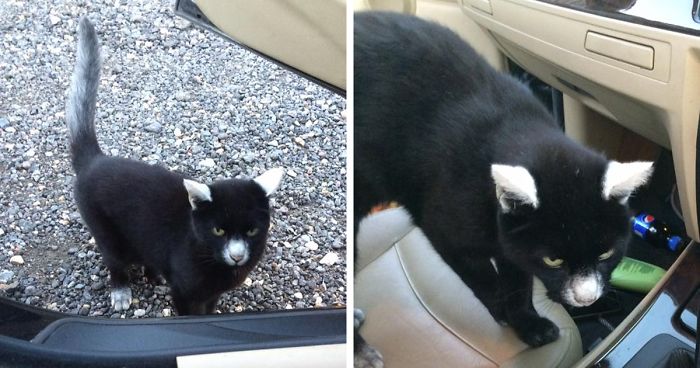
29 Unusual Looking Animals With Vitiligo Who Are Running Out Of Ink Bored Panda
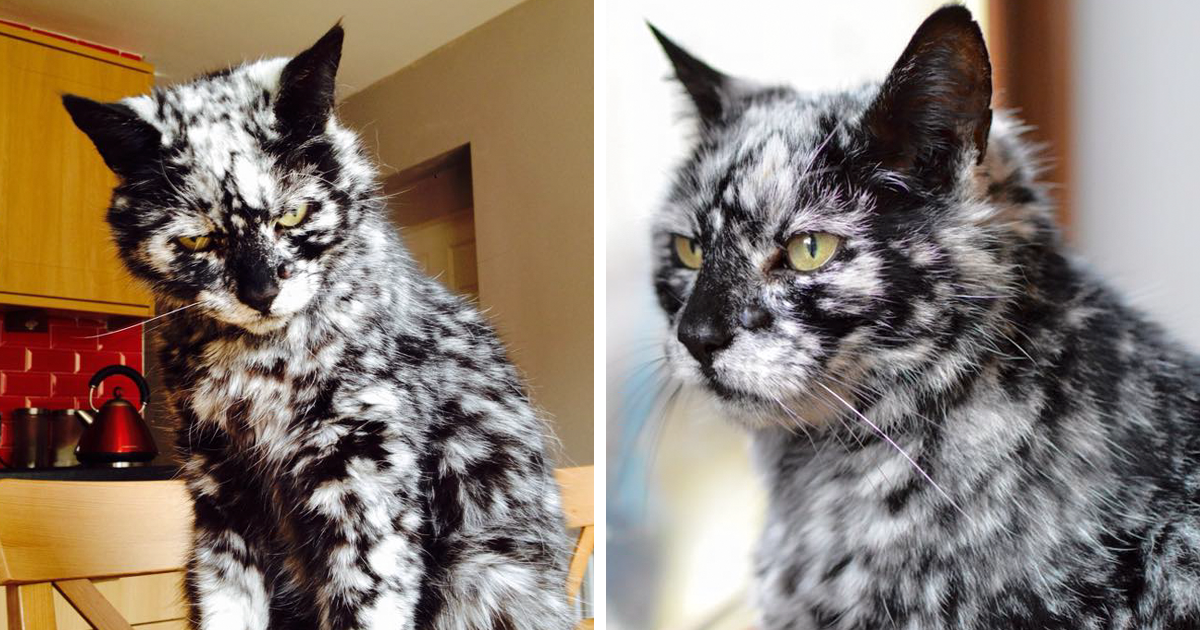
19 Year Old Black Cat Turns Into A Marble Beauty Most Likely Due To A Rare Skin Condition Bored Panda

The Cat With Vitiligo Caused Scrappy S Coat To Turn A Patchy White Cats Feline Cute Animals

2 Examples Of Feline Vitiligo Leukoderma Poc

Feline Vitiligo A And B Siamese Cat With Vitiligo Affecting The Nasal Download Scientific Diagram

Elli Was Born With Tuxedo Markings And Turned Almost Completely White In Three Years Due To Vitiligo Cute Animal Photos Cute Animals Beautiful Cat

Vitiligo

Feline Depigmentation Conditions Vitiligo Leukoderma Leukotrichia Infurmation

Meet The Vitiligo Cat With A Influencer Worthy Instagram Living Dappled

Pin On Cats